Reporter recounts fellowship visit to CDC

This is a guest post from Winnie Yu, a freelance journalist based in Voorheesville, N.Y. She was among this year’s class of AHCJ-CDC Health Journalism Fellows who spent last week studying public health issues at two Atlanta campuses of the Centers for Disease Control and Prevention.

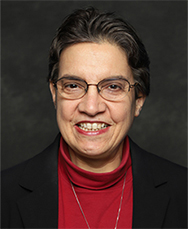
The fellows met with Ali S. Khan, M.D., M.P.H., assistant surgeon general and director of the CDC's Office of Public Health Preparedness and Response.

The fellows met with Ali S. Khan, M.D., M.P.H., assistant surgeon general and director of the CDC's Office of Public Health Preparedness and Response. (Photo: Len Bruzzese/AHCJ)

Life can get lonely when you work as a freelance writer. So it was a real thrill for me last week when I got the chance to attend the AHCJ-CDC Health Journalism Fellowship and listen to experts from the Centers for Disease Control and Prevention discuss the most pressing health issues of our day.

Ten journalists from around the country came to Atlanta to hear presentations on topics as varied as motor vehicle safety, vaccines, patient safety and prescription drug abuse. It was quickly apparent that the CDC is much more than the authority on when to get your vaccines.

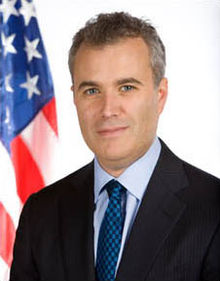
We heard from numerous experts, including Mike Bell, M.D., associate director for Infection Control for the Division of Healthcare Quality Promotion; William Dietz, M.D., Ph.D., director of the Division of Nutrition, Physical Activity and Obesity for the National Center for Chronic Disease Prevention & Health Promotion; and Ann Albright, Ph.D., R.D., director of the Division of Diabetes Translation for the National Center for Chronic Disease Prevention and Health Promotion. We also enjoyed a brief presentation from the CDC’s director Thomas R. Frieden, M.D., M.P.H.

Each day ended with a tour. We saw the CDC’s emergency operations center, walked through the tobacco lab and peered in at scientists probing for foodborne illnesses. We looked at viruses under a microscope, marveled at slides the size of a pinhead (used under an electron microscope) and winced at the amount of nicotine that smokers continue to inhale from cigarettes.

And while I couldn’t get the tour guide to tell us where the United States hides its stockpile of smallpox - Russia has the only other one - I was amazed by the challenges that researchers must endure in order to work in the pathogen labs, including chemical showers and protective suits that preclude regular visits to the bathroom. Not surprisingly, we learned that a calm and even temperament is a requirement for the job.

No doubt, some of the information we already knew: Americans weigh more than ever. Autism is on the rise. Diabetes is a major health issue. But we also learned that polio remains a persistent problem in some parts of the world, tuberculosis still afflicts some segments of our population and the United States takes its role as a world leader seriously when it comes to public health.

It was truly an honor to be part of this fellowship, to get an up-close glimpse of the CDC and to share my time with a great group of journalists who were smart, funny and great dinner companions. I have no doubt the experience will spawn story ideas, beef up our source lists and provide ample background for future articles.  I know it will for me.

Aging in place becoming more popular, possible

In the latest installment in The Associated Press series on growing old in America, David Crary explores how the health care system is evolving to accommodate “aging in place” and seniors’ preference to remain in their private homes, even at points when their health care situation might seem to suggest relocation is in order. As the population ages, this preference is starting to play a role in policy decisions.

There’s no question that aging in place has broad appeal. According to an Associated Press-LifeGoesStrong.com poll conducted in October, 52 percent of baby boomers said they were unlikely to move someplace new in retirement. In a 2005 survey by AARP, 89 percent of people age 50 and older said they would prefer to remain in their home indefinitely as they age.

Communities have explored a number of programs to better serve this population, and Crary profiled some of the more notable efforts, including:

  • The Naturally Occurring Retirement Community (NORC)

    … can be either a specific housing complex or a larger neighborhood in which many of the residents have aged in place over a long period of time and need a range of support services in order to continue living in their homes.

  • “Village” organizations

    Members of these nonprofit entities can access specialized programs and services, such as transportation to stores, home health care, or help with household chores, as well as a network of social activities with other members.

    About 65 village organizations have formed in the U.S. in recent years, offering varying services and charging membership fees that generally range between $500 and $700 a year.

  • Aging-friendly homes

    AARP has teamed up with the National Association of Home Builders to create a designation for certified aging in place specialists trained in designing and modifying residences for the elderly. Several thousand builders, contractors, remodelers and architects have been certified. Building or remodeling homes can include such details as touchless faucets, trim kitchen drawers instead of cupboards, grab bars and nonslip floors in the bathrooms.

    Arizona’s Pima County, along with a few other local governments, has gone a step further, passing an ordinance requiring that all new homes in the unincorporated areas around Tucson offer a basic level of accessibility. They must have at least one entrance with no steps. Minimum heights and widths are set so that light switches can be easily reached and doorways are passable in a wheelchair.

  • Medicaid changes

    In several states, there’s debate about whether to promote aging in place by shifting more Medicaid dollars to community-based programs and away from traditional nursing facilities. But budget problems may complicate such efforts as some financially struggling states cut back on home health services that help keep some elderly people out of nursing homes.

Calif. center, ethnic outlets partner to examine elderly day care’s demise

The California HealthCare Foundation’s Center for Health Reporting partnered with no fewer than nine different organizations to produce a sprawling story package examining the impact of the looming closure of many of California’s adult day health care centers. (Since the project launched, California reached a legal settlement that will allow adults most at risk of institutionalization to continue to receive services previously provided by adult day health centers. Existing centers will be able to provide services through the end of Feb. 2012. See this write-up in California Healthline.)

Jocelyn Wiener’s centerpiece stands alone, but the package really gains steam when you take the time to consider its full breadth and depth.

For those new to the issue, here’s Wiener’s primer and a hint as to why the package grew out of a collaboration with a kaleidoscope of ethnic media organizations.

Los Angeles County – especially its many ethnic minority communities –will be hit hardest by the closures. According to state data, the county is home to more than 60 percent of the program’s 38,000 enrollees statewide. One quarter have dementia. Forty percent are incontinent. Nearly half have a psychiatric diagnosis. More than 70 percent do not speak English.

The centers provide them with transportation, meals, exercise, medication management, physical and occupational therapy, as well as robust social programs that many participants say have renewed their will to live.

Health journalists will find Richard Kipling’s “how we did it” piece to be a natural entry point. Kipling unspools the narrative of how a brief suggestion became an anything-but-brief compendium of multilingual, multicultural, multigenerational reporting. Kipling’s blog also serves as a useful roadmap to the project.

Watch the AHCJ website for more about how this project was reported.

If the video doesn’t appear on your page, please click through to :Bibiana Viernes: Her Center, Her Life” from CAhealthReport on Vimeo.

‘Dual eligibles’ pingpong between programs, getting stuck along the way

The phrase “dual eligibles” has always been a mouthful for describing people old enough (or disabled enough) to be on Medicare and poor enough to be on Medicaid.

M.C. Kim, a cardiac patient quoted in Anna Gorman’s nice Sunday  Los Angeles Times piece on the “duals,” comes up with a clear and easy-to-grasp alternative image: pingpong patients.

M.C. Kim had four heart attacks in as many years. Each time, he left the hospital not knowing why his heart had failed.

When he tried to enter a cardiac rehabilitation program to learn how to reduce the odds of having more heart trouble, the Medicare office told him to call Medicaid. The Medicaid office told him to call Medicare. In the end, he said, both denied coverage.

“I was like a pingpong ball,” said Kim, 51, who lives in Los Angeles. “Nobody wanted to take responsibility.”

So Kim kept returning to the emergency room, racking up expensive medical bills for taxpayers.

What questions do you have about health reform and how to cover it?

Joanne KenenJoanne Kenen (@JoanneKenen) is AHCJ’s health reform topic leader. She is writing blog posts, tip sheets, articles and gathering resources to help our members cover the complex implementation of health reform. If you have questions or suggestions for future resources on the topic, please send them to joanne@healthjournalism.org.

The “duals” get their doctors and hospitals paid for by Medicare, and their long-term care by Medicaid.  (That’s overly simplistic, but you get the main idea.) As they go back and forth between settings, they get caught between two systems that should mesh but often are more like mismatched gears that grind and jam and make noise and get stuck.

Care transitions, a weak point in the health care system in the first place, are particularly disastrous for this population. In fact, the mismatched incentives and insane amount of built-in levers to shift costs may increase the number of care transitions -which boosts costs and create all sorts of opportunities for mishaps and miscommunication that can harm patients.

Gorman’s story is a nice illustration, giving examples from both the elderly and the disabled.  She puts a face behind the red tape.

The health reform law takes some steps toward solutions - although this is a tough problem and it’s certainly too soon to say that the reform law will fix it.

A few pieces of a potential solution:

CMS now has a special office on the duals. I interviewed Director Melanie Bella for Kaiser Health News earlier this year. She  has testified at least twice before committees in Congress: On June 21 (PDF) she went before the U. S. House Committee on Energy & Commerce, Subcommittee on Health and on Sept. 21 (PDF) she was before the  U. S. Senate Committee on Finance. Her testimony can give you an idea of what steps her office is taking and which part is relevant to your state or community.

Medicaid managed care, advanced medical homes, ACOs, penalties for high readmission rates, payment bundling and other reforms may eventually provide better coordinated care for the “duals.” Some of the new programs for the elderly encouraged by the law, such as Independence at Home, may also help. There are more details about delivery system and the duals in this Kaiser Family Foundation brief.

The Alliance for Health Reform also did a whole briefing on this topic a few months ago. This link will take you to resources, an archived webcast, and a transcript (for those of you who would rather skim than watch the webcast)

The SCAN Foundation also has a lot of material on the duals on its website, including this report on state-based solutions.

KevinMD: Media is key to curbing MRI overuse

On the MedPage Today outlet KevinMD.com, Dr. Kevin Pho himself writes that media coverage of the overuse of certain screening procedures is “long overdue,” and praises The New York Timesrecent coverage of a study showing that in some cases MRIs can lead to more harm than good.

In the Times, reporter Gina Kolata explained, when unleashed upon the throwing shoulders of 31 healthy professional baseball pitchers, “M.R.I.’s found abnormal shoulder cartilage in 90 percent of them and abnormal rotator cuff tendons in 87 percent.” It’s a result, Kolata wrote, that shows that MRIs are “easily misinterpreted and can result in misdiagnoses leading to unnecessary or even harmful treatments.”

Back at his web portal, Pho writes that there are two steps that need to be taken to curb the overuse of the MRI. The first is cracking down on physicians who own their own MRI machines or otherwise profit from the tests, and the second is what he calls “adjusting patient expectations.” That’s where, he says, the media comes in.

there are some, but not all, patients who expect a scan and equate an MRI with “being thorough.” In fact, when orthopedic fellows cited in the Times story suggest that patients may not need a scan, patients “look at them like, ‘You don’t know what you’re doing.’”

Doctors can help educate patients away from the mythical benefits of overtesting. But the most effective teacher is the media, which wields significantly more influence. That’s why a story like this in the Times should be applauded, and promoted.

A fun aside? The study was conducted by none other than Dr. James Andrews, whose name will be familiar to anyone with even a passing familiarity with the sports pages.

Ohio’s hospital transparency law under fire

Thanks are due to blogger and one-time hospital executive Paul Levy for drawing our attention to the Ohio hospital industry’s recent push to overturn much of the state’s recently passed transparency legislation.

The law required hospitals to post performance data, such as infection rates and patient satisfaction, on the Ohio Hospital Compare site.

According to Brandon Glenn’s report in the MedCity News, the hospital industry opposes the site, online since Jan. 1, 2010, because it serves the same purpose as the federal Hospital Compare site.

The OHA supports the new legislation… because it wants to remove “duplicative” reporting requirements on the state’s hospitals. Ohio hospitals already report the same data to a federal Hospital Compare website maintained for the public by the Centers for Medicare & Medicaid Services, said OHA spokeswoman Tiffany Himmelreich.

The new legislation “doesn’t reduce reporting. It just eliminates reporting the same information to two different places,” she said. “We don’t want the public to feel that this is taking a step backwards in terms of data availability.”

For their part, consumer advocates say website maintenance is not an onerous burden, and that the hospital association’s push is part of a larger, statewide antitransparency trend.

As an interesting side note, Glenn found the Ohio Hospital Compare site to be rendered inoperable by apparent bugs on an initial visit but discovered that, after his inquiries to the state health department, the site was put into working order.

Texas psych clinics take Medicare’s millions without oversight

The Houston Chronicle’s Terri Langford reports that for-profit outpatient psychiatric clinics in the state, most located around Houston, are collecting millions in Medicare dollars yet “require no license to operate in Texas.”

She writes that, despite access to significant federal funds, the clinics are subject to little oversight from any level of government, especially when it comes to patient care.

…other than a one time inspection conducted by Medicare when clinics start operating - these programs have no detailed standards or “conditions of participation,” that must be met before filing claims and collecting taxpayer money.

The U.S. Department of Health and Human Services flagged the problem earlier this year, saying “no regulatory basis exists to ensure basic levels of quality and safety” for CMHC care.

The loopholes, including the lack of an established means to kick poorly performing centers out of the medicare system, apply nationwide, but their exploitation remains localized.

Records show that in 2009, Medicare paid $287 million on these programs nationwide, 74 percent of them located in the three states that have no state licensing requirements: Florida, Louisiana and Texas.

Medicare providers get reinstated when feds fail to attend hearings

Using data obtained through a public records request, Associated Press reporter Kelli Kennedy (@kkennedyap) reviewed federal Medicare fraud reports from between 2006 and 2009 and found that “Regulators fighting an estimated $60 billion to $90 billion a year in Medicare fraud frequently suspend Medicare providers, then quickly reinstate them after appeals hearings that government employees don’t even attend.”

Officials revoked the licenses of 3,702 medical equipment companies in the fraud hot spots of South Florida, Los Angeles, Baton Rouge, La., Houston, Brooklyn, N.Y., and Detroit between 2006 and 2009, according to data provided to the AP under a public records request. Those areas represent the highest concentrations of Medicare fraud in the country, according to federal authorities who have set up task forces there.

Of the providers who lost their licenses in those cities, about 37 percent, or 1,371, were eventually back in business, sometimes within days and often within months.

Furthermore, she writes, officials have not taken advantage of security bonds put in place two years ago to provide redress should a fraudulent provider vanish from the map. “Officials blame the delay on personnel changes,” she writes.

The gaps in the system grow out of poor communication between one set of contractors paid to inspect Medicare providers and alert officials to suspicious activity; a separate set of contractors that handles payments; and the agency that runs Medicare.

Kennedy’s report dives deep into the Medicare fraud reinstatement program, and reporters looking to better understand the system would be well served to read the full investigation.

Quake damage could cripple Calif. hospitals

In her series on earthquake preparedness at California hospitals, California HealthCare Foundation Center for Health Reporting senior reporter Deborah Schoch look at what she calls the “Achilles heel” of hospitals in earthquake territory: internal damage to pipes and equipment.

While much of the legislative focus has been on preventing structural damage, Schoch writes that recent seismic disasters in places such as Chile and Japan have demonstrated that a broken water pipe or sprinkler system can shut down a hospital every bit as effectively as a crumbled wall.

To better avoid internal damage, Schoch writes, hospitals need to bolt down equipment, anchor water tanks and set up back-up generators. According to Schoch, “Many facilities locally and statewide are still years or decades away from making those non-structural internal fixes, even though they are required under California law.” This is largely thanks to a variety of deadline extensions and loopholes requested by cash-strapped hospitals which refer to the law as the largest unfunded mandate in state history.

As of 2009, fully 1,357 hospital buildings statewide had not made fixes that should have been finished at the start of 2002, according to a December 2009 report from state regulators.

Another 1,233 buildings, or 95 percent of buildings statewide, had not yet done improvements that were due Jan. 1, 2013, according to the report. State officials caution that some hospitals may have completed upgrades, but they do not have up-to-date statistics.

In the second installment of the series, Schoch uses state records to show that more than 40 hospitals close to the fault are rated at high risk of collapse in a major earthquake.

California hospitals were supposed to have fixed hospitals by 2008 or the state would shut them down. But that deadline has been pushed back multiple times: “Championing the delays, the state Legislature repeatedly extended the 2008 deadline to 2013, 2015, even 2020, under pressure from hospitals that said they can’t afford the fixes.”

Rising medical debt spawns problems, fosters solutions

Oct. 12th, 2011 by Andrew Van Dam · Leave a Comment
Filed under: Government, Health policy, Hospitals 

Kelley Weiss, of the California HealthCare Foundation’s Center for Health Reporting,  dug deep into the rising mountain of medical debt accumulating around American patients. Her package includes four pieces (one an extended forum, embedded below) on KQED as well as numerous companion stories online. Her stories consider both the causes of and solutions to medical debt, an issue which plagues hospitals as much as it does patients.

In her first piece, Weiss lays out the simple formula driving all that indebtedness: It’s “because health care costs continue to rise at the same time people are losing their jobs and health coverage.” She uses the story of an unfortunate, unemployed motorcyclist to show how the American billing, credit and insurance systems can quickly add debt to injury.

In the second piece, she looks at the debt from the other side, exploring the massive and largely ineffective lengths hospitals go to in order to collect what they’re owed. Since the recession began, even the most successful collections agencies have only been able to collect about 12 percent, one hospital official said. Confronted with this fact, Weiss asked the obvious question.

So why even bother, if you get such a low return? Maybe they could give those financially squeezed patients with no other options a break. Well, to a certain extent they can, and charity care is on the upswing.

But it turns out there are statutes in place that require hospitals to make collection efforts. Medicare is one of the biggest payers to hospitals and it says that hospitals must try to collect money from every patient. And if they don’t? Medicare won’t pay off its bills. Todd Nelson with the Healthcare Financial Management Association said that leaves hospitals in a tough spot.

As wallets remain tight and debt collection becomes increasingly difficult, both hospitals and patients are starting to take steps to become more up front about exactly how much their care is going to cost, Weiss writes in her third installment. Finally, when all else fails, Weiss finds in her fourth installment, patients can turn to California’s Hospital Fair Pricing Act, which “says hospitals must give patients who are at 350 percent of the Federal Poverty Level a discount on their bills if they’re uninsured or underinsured.”

« Previous PageNext Page »