Poet’s piece on bias against elderly people serves as reminder to reporters
Anyone writing about older people with any seriousness will eventually confront the phenomenon known as “ageism.”
The great gerontologist Dr. Robert Butler, the first director of the National Institute on Aging, coined this term in 1968 to refer to prejudice against older people fueled by stereotypes about aging that often lead to discriminatory practices.
Judith Graham (@judith_graham), AHCJ’s topic leader on aging, is writing blog posts, editing tip sheets and articles and gathering resources to help our members cover the many issues around our aging society.
If you have questions or suggestions for future resources on the topic, please send them to judith@healthjournalism.org.
It’s a phenomenon that pervades medicine, as it does institutions across our society.
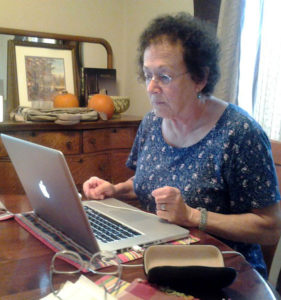
Think of a doctor who speaks to a middle-aged daughter who’s accompanied her elderly mother to a medical appointment, not to the older woman herself. It happens all the time.
Think of a hospital nurse who ignores an 80-something man’s increasing agitation and disorientation because of the assumption that it’s natural for older people to be irritable and confused. Talk to families and you’ll hear such stories.
Think of all the people 65 and above – the numbers are untold – who have been told over the years that their medical problems are to be expected because, after all, they’re old and there’s not much to be done about that.
I’ve found myself thinking about all this because of a four-page article by the great American poet Donald Hall in the Jan. 23 issue of The New Yorker.
It’s a lyrical piece about reaching the age of 83, coming to know the rhythms of this stage of life, and feeling connected with others who have traveled the journey of age before him.
Intermingled with Hall’s memories of his mother in her final years are his unsparing observations about himself:
“Each season, my balance gets worse, and sometimes I fall. I no longer cook for myself but microwave widower food, mostly Stouffer’s. My fingers are clumsy and slow with buttons. … For years, I drove slowly and cautiously, but when I was eighty I had two accidents. I stopped driving before I kill somebody … New poems no longer come to me, with their prodigies of metaphor and assonance. Prose endures. I feel the circles grow smaller, and old age is a ceremony of losses.”
Becoming advanced in years, Hall writes, involves a process of becoming an “alien” – another type of life form, different from everybody else. He doesn’t use the word “ageism” but describes its effect.
“When we turn eighty, we understand that we are extraterrestrial. If we forget for a moment that we are old, we are reminded when we try to stand up, or when we encounter someone young, who appears to observe green skin, extra heads, and protuberances.
“People’s response to our separateness can be callous, can be good-hearted, and is always condescending.”
Describing his reaction to a woman who has written to the local newspaper calling Hall a “nice old gentleman,” Hall says, “Old is true enough, and she lets us know that I am not a grumpy old fart, but ‘nice’ and ‘gentleman’ put me in a box where she can rub my head and hear me purr. Or maybe she would prefer me to wag my tail, lick her hand, and make ingratiating dog noises.”
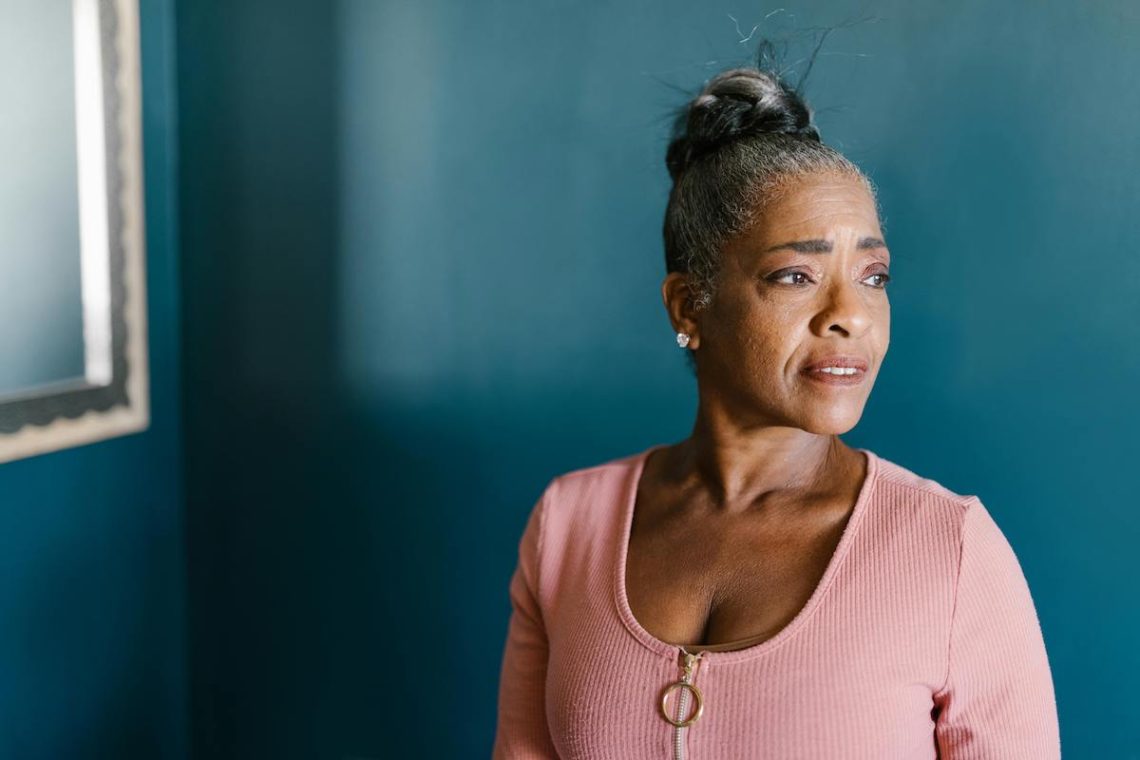
Yes, there is a note of bitterness, as in several other incidents of being unconsciously ignored or put down that Hall relates. It’s the sharpness of his voice here – a contrast to the poetic sensibility that pervades the rest of his piece – that reached out and grabbed me and made me realize, yes, this slicing, grating, isolating sense of otherness is what ageism feels like.
As reporters, be aware of this potential for treading on feelings when you speak to older people. Don’t patronize, don’t be condescending. Try to understand their experiences from their point of view, not your own. Learn about what their lives are like by listening with respect and attentiveness. And watch out for ageism in the institutions and professionals you cover and in the words that you write.
Seattle hospitals love building costly ERs
The Puget Sound emergency room construction boom is in full swing, and Seattle Times reporter Carol Ostrom has taken a pointed look at the cost-related consequences of local hospital expansion.
She examines why hospitals are opting for more and glitzier ERs over lower-cost alternatives such as clinics and urgent care facilities. She also considers why state efforts to guide hospitals toward more efficient spending have failed, and explains how hospitals justify their actions. If you don’t have time for the full story, here’s a relatively tame excerpt:
The ER building boom has prompted a backlash from some lawmakers and advocates of affordable health care, who complain that nearly all Washington hospitals get substantial tax breaks and construction financing through tax-exempt bonds.
Free-standing ERs, these critics charge, are cash cows for hospitals, strategically built in affluent areas to lure busy, well-insured patients and collect fat reimbursements.
How might retail clinics change health care delivery in your community?
I don’t routinely blog about the work of AHCJ board members (which doesn’t mean you shouldn’t read Charles Ornstein’s latest on Florida’s slow reaction to physicians who treated and prescribed drugs under Medicaid “amid clear signs of possible misconduct.”)
But I’m making an exception to my self-imposed rule for Julie Appleby’s recent Kaiser Health News piece “The Walmart Opportunity: Can Retailers Revamp Primary Care?“
What questions do you have about health reform and how to cover it?
Joanne Kenen (@JoanneKenen) is AHCJ’s health reform topic leader. She is writing blog posts, tip sheets, articles and gathering resources to help our members cover the complex implementation of health reform. If you have questions or suggestions for future resources on the topic, please send them to joanne@healthjournalism.org.
I’ve read other pieces about the future of retail clinics, including their potential for treating chronic disease. But I thought Appleby did a terrific job of asking – and often answering – many interlocking questions about the delivery of primary care, the management of chronic disease, the quality of care and what this all has to do with health reform.
While asking big-picture questions, she also wove in details that gave the story texture and made it a good read. If you saw my tweet, you’ll know I was particularly taken by the bit about how long-distance truckers can pull up in the parking lot of more than 600 centers to get their mandatory federal checkups.
As Appleby noted, the clinics – which sometimes lose money but bring customers into the stores – started with the low-hanging fruit, the “relatively healthy patients looking for convenient, low-cost care for simple problems.” The next stage is to try to start treating more expensive chronic diseases, such as diabetes and heart disease, which are big drivers of health care spending. Treating chronic disease, however, is definitely a problem in search of a primary care solution. As her story said:
“It’s sad that the existing health care establishment has not figured out a way to make primary care affordable and accessible,” says Jerry Avorn, a professor of medicine at Harvard. “We should not be surprised if someone outside of our world comes in and does it for us.”
Some of the retail clinics are already venturing into aspects of chronic care: diabetes management, weight-loss programs. (I think we can safely say that primary care physicians have not solved the U.S. obesity problem). Some employers are using the clinics for wellness and routine screening programs.
The costs tend to be lower. Appleby cited a study in the American Journal of Managed Care that costs are 30 percent to 40 percent lower than in the doctor’s office and 80 percent cheaper than in the emergency department. Consumers like the predictability and transparency of the costs (although insurance can also pay) . They don’t get pricing clarity up front at the doctor’s office or hospital.
Several provisions of the federal health law may further spur interest in the clinics. For instance, small businesses will have incentives to offer worker wellness program. The clinics may help fill in some gaps in primary care which are expected to get worse before they get better because of the pent-up demand for care that may burst out when coverage expands under the health law starting in 2014. The Association of American Medical Colleges estimates a shortfall of 21,000 primary care doctors by 2015. Not everyone agrees that there is an across-the-board shortage, as opposed to a shortage in specific underserved areas.
How clinics make the jump from flu shots and throat cultures to the far more complex task of monitoring chronic disease is not completely clear. Remember that patients, particularly older patients, often have multiple chronic diseases (i.e. diabetes and hypertension and congestive heart failure and arthritis, etc.). Some questions remain: Will the clinics turn out to be good at managing relatively stable patients in the early stage of disease – where the convenient locations and evening and weekend hours may enhance compliance? What about with the more advanced illnesses? Will the retail clinics add to fragmentation and miscommunication? Or will the clinics somehow form relationships with “new, integrated collaborations between doctors, hospitals and insurers?”
I don’t want this post to get longer than Appleby’s article so, when you read it, pay attention to the other issues she raises, and think about how they are playing out in your community:
- Scope of practice. What is the role of nurses/nurse practitioners/physicians assistants versus physicians? Turf battles can produce good sources and good stories.
- Does your state have laws about clinics directly employing physicians?
- Will clinics “skim off” healthy patients from physician practice and leave them with all the sickest and most expensive ones, without greater reimbursement? Or, by taking on some routine medical tasks, will clinics allow physicians to spend more time doctoring?
- Who are the patients? (Other than truck drivers and high school students needing sports physicals.) Are clinics just a convenient way for insured middle-class people to get routine care? (I’ve taken my son in for a throat culture at 7 p.m. when he’s feeling scratchy and I know there’s strep in his class. It’s way better than waiting until the next morning to go to the pediatrician when he might be sicker, and he has to miss school and I have to miss work. And, if he does need antibiotics, I’d have to go the drug store anyway.) Or are the clinics avoiding poorer neighborhoods, meaning the underserved stay underserved?
- Appleby didn’t mention this explicitly but it’s worth adding to the mix: To the extent the clinics are in underserved communities, are they helping low-wage hourly workers who don’t have paid sick leave or the flexibility to take an hour or two off in the middle of the day to get their kid (or their mother-in-law) to the doctor?
- Are any of the clinics – anywhere – starting to share information with patients’ primary care physicians? Or, in the case of diabetes, heart disease, etc., are they sharing information with specialists? It can be as simply as faxing something, sharing electronic medical records or using secure email. If I take my kid for that throat culture, it’s really not a catastrophe if I forget to tell his pediatrician (and I don’t need to bother if it’s negative). But for things like immunizations, or A1C levels for diabetics, or blood pressure spikes or changes in medications - someone needs to keep track of the big picture. Of course, communication isn’t all that great right now between doctors without the clinics but, since health reform has some incentives for improving coordination, where do the retail clinics fit in?
That question about integration, which Appleby raised, doesn’t yet have a clear answer. Could the clinics end up having some kind of relationship with the “medical home” or the “Accountable Care Organization” or other models of integrated care? I am not sure of all the legal or contractual problems. If someone has written about this, please chime in. But I can envision ways that clinics can be brought into the coordinated or accountable care loop. It may turn out to be in everyone’s interest – patient, physician and clinic – to do the looping.
Behind Oklahoma’s nation-leading access-to-care problems
Filed under: Government, Health care reform, Health data, Health journalism, Hot Health Headline, Nursing, Public health, Public records
In February, the New England Journal of Medicine ranked Oklahoma as the worst when it came to access to medical care. With help from a California Endowment Health Journalism Fellowship, Tulsa World reporter Shannon Muchmore sifted through reams of data to emerge with a three-part series helping readers better understand the state’s unique health care delivery challenges.
Fans of data analysis and numbers will want to dive straight into the first installment. According to Muchmore, 66 of Oklahoma’s 77 counties contain “Health Professional Shortage Areas, which means “they don’t meet the national standard of one physician for every 3,500 people.” And those doctor-patient ratios aren’t improving.
The state is facing a severe shortage of doctors as the population ages. Adding to that, as many as 180,000 people are poised to receive insurance when provisions of federal health-care reform kick in 2 1/2 years from now.
What’s behind that shortage? Muchmore enumerates the key drivers.
Medical schools are not increasing their class sizes, residency slots are hard to come by, and doctors are choosing to locate in other states.
The last two factors go hand-in-hand, as doctors often practice where they have their residencies. Without a connection, they have little reason to locate in a rural area.
The state is not well-positioned to handle a further deterioration in its health-care system. Oklahoma consistently ranks among the worst states for obesity, diabetes, smoking, heart disease and overall health. It has the least improvement in the country in age-adjusted death rate since 1990.
In the second installment, she examines the link between disparities in access to medical care and disparities in life expectancy and other indicators throughout the state, with a special focus on Oklahoma’s most rural counties.
In the final piece, Muchmore looks at the future of health care provision in Oklahoma and the key role that physician extenders, such as nurse practitioners and physician assistants, are poised to play.
Keep an eye on the AHCJ website for an upcoming “How I did it” article from Muchmore in which she shares how she did the reporting on this project.
Why are some patients stuck in hospitals for weeks, months?

Yanick Rice Lamb
Patients typically complain about being released from the hospital sooner than they would like. So Yanick Rice Lamb, associate publisher and editorial director of Heart & Soul magazine, became intrigued when when she heard about patients languishing in hospitals weeks and even months after being medically ready for discharge. This can happen to uninsured and underinsured patients who need long-term care.
This could potentially happen to anyone who loses a job and the health coverage that came along with it. Rice Lamb found that delayed discharge was an underreported topic and information was fragmented and spotty, at best.
Find out what she learned from her 10-month look at this narrow slice of the population – the sickest, poorest and most invisible patients. She includes an extensive list of story ideas and angles for other reporters to look into. AHCJ members, read more …
Data analysis reveals wide variation in use of heart procedures
Filed under: Health data, Health policy, Hospitals, Hot Health Headline
One town’s high rate of elective angioplasties has drawn the attention of the California HealthCare Foundation Center for Health Reporting and the San Francisco Chronicle.

Tricuspid valve in a model heart. (Photo by robswatski via Flickr)
Emily Bazar reports that people in Clearlake, Calif., have undergone the procedure at 15 times the rate of people in nearby Sonoma County and more than five times the rate of San Franciscans and Californians. Clearlake residents had elective angiography at nearly six times the state rate.
The project includes a downloadable spreadsheet of heart surgical procedures for 208 geographic areas in California.
The analysis was done by Stanford health research and policy Professor Laurence Baker and was commissioned by “the Campaign for Effective Patient Care, an interest group that promoted the involvement of patients in making medical decisions. Formed during the health reform debate, the group recently disbanded.”
The financial and health implications of extreme variation are enormous, raising the prospect that billions of dollars are wasted each year on unnecessary and potentially dangerous treatments. About 600,000 angioplasties alone are performed nationwide annually at a price tag of more than $12 billion, according to a recent study in the Journal of the American Medical Association.
The analysis finds the heart procedures were performed frequently in other parts of California as well. While one hospital says the disparity is because its rural community suffers from overlapping health situations, comparing it to the Third World, the research shows that above-average use of the procedures was found in urban areas as well.
Yet long-standing research suggests that something else usually causes large geographic variation in medical procedures: striking disparities in how doctors treat diseases.
“You just have a group of physicians that tend to order more angiograms or (angioplasties). That’s how they think and do things. They’ve never been told not to. They’ve never been told they’re the outliers,” said Eric Hammelman, a vice president at Avalere Health, a health care consulting firm in Washington, D.C.
The project includes a consumer’s guide to heart procedures, graphics and an explanation of Baker’s methodology.
Learn how to use this data
In a webinar next week, Hiding in plain sight: California hospital data, Charles Ornstein, senior reporter at ProPublica and president of AHCJ’s board of directors, will guide attendees through using the data from the California Office of Statewide Health Planning and Development to determine rates of variation for types of treatments.
Ornstein calls the data set a “gold mine” that can answer questions such as:
- Does your local hospital place more cardiac stents than others?
- Do more of its patients leave the emergency room without being seen?
- Does it have a high level of C-section births?
It doesn’t matter if your hospital is public, nonprofit or for-profit, data on its patients and services are available online. Join us on Sept. 13 to learn how to use this data. California journalists will find this particularly useful, but it also introduces data sets that journalists can request in other states.
Uninsured face delays, increased risks en route to long-term care
Writing for Heart & Soul, Yanick Rice Lamb offers up a comprehensive take on the special challenges patients and hospitals face when it comes to long-term care for the uninsured.
… a growing number of uninsured people … need long-term care after hospital stays. They lack insurance because they can’t afford it, their employers don’t offer it or they were dropped by private carriers after taking out policies on their own. Consequently, these patients experience delays in moving on to the next step in their care once they are medically ready for discharge. They are stuck in the hospital, because it’s hard to place patients in long-term care facilities or send them home with a nurse when they have no coverage, especially when there are complications. Hospitals end up picking up the tab — sometimes even after patients leave. Those costs are ultimately passed on to everyone who pays taxes and anyone who has a medical bill.
Rice Lamb fleshes out this scenario not only with anecdotes, but with a raft of statistics and studies showing that the ranks of such patients are swelling rapidly, as is the financial toll they’re taking on the system. She ties it in with the hospital “frequent flyer” and charity care issues that have received so much ink in recent years. At the same time, she takes a deeper look at the issues faced by the patients themselves, from the difficulty of spending days and weeks away from family, to the lower levels of attention they may receive from hospital staff as their stays drag on, to the increased risk of hospital-acquired infections and lack of specialized rehab.
Some of the most surprising observations came in relation to undocumented immigrants, who present major challenges despite being a small part of the patient population.
In some cases, when community support can’t be found, Rice Lamb writes that hospitals “Often pay to transport immigrants back to their countries — if the patients agree — and sometimes cover medical bills in their homelands. This often costs less than absorbing the expense of continuous care in the United States.”
Furthermore, she says, “Even with U.S. citizenship, language barriers can contribute to discharge delays. When caregivers spoke little English, the length of stay increased to 6.1 days, compared to four days for the control group, according to a study published recently in the Archives of Pediatrics & Adolescent Medicine.”
Throughout her work, Rice Lamb takes advantage of sources which reporters around the country should find useful when localizing similar topics.
Rice Lamb completed this project while on an AHCJ Media Fellowship on Health Performance, supported by the Commonwealth Fund.
Report looks at limited access to dental health, offers recommendations
A report this week from the Institute of Medicine and the National Research Council looks at the consequences of inadequate access to oral health care and recommends ways to improve access.

Dentist chair at DeWitt Clinton High School in the Bronx, where Debra Sperling, D.M.D., does cleanings, fillings, preventive care and applies fluoride sealants to prevent future damage.
The report is set for release on Wednesday but embargoed copies are available to reporters today, beginning at 11 a.m. EDT. The committee that wrote the report will discuss it at a briefing at 1 p.m. Wednesday at the National Press Club, which will be webcast (available at national-academies.org. Reporters can obtain copies of the report or register to attend the briefing by contacting the National Academies’ Office of News and Public Information at 202-334-2138 or news@nas.edu.
Just as with other aspects of health care, children, older adults, and people who live in rural areas are affected by economic, structural, geographic and cultural factors that limit access to dental health care.
Several entries in the Awards for Excellence in Health Care Journalism have examined oral health care:
- 2010 entry: Out of reach: The rural health care gap, David Wahlberg, Wisconsin State Journal
- 2010 entry: State Lags in Dental Health Care for Children, Laurie A Udesky writing for The New York Times
- 2010 entry: Does the state have teeth to discipline dentists? by James T. Mulder, The (Syracuse, N.Y.) Post-Standard
- 2009 third-place entry: Kelley Weiss, of Capital Public Radio, looked at debt racked up on dental credit cards
- 2007 first-place winner: State of Decay: West Virginia’s Oral Health Crisis, by Eric Eyre, The Charleston (W.V.) Gazette [Tip sheet]
- 2008 entry: Carol Smith examined a dental death in the Seattle Post-Intelligencer
- 2005 first-place winner: “The Trouble with Teeth,” Emily Hanford and Deborah George, North Carolina Public Radio [Listen to MP3]
Watch for more resources on oral health on the AHCJ website.
America’s border towns are often health care black holes
Colonias, underserved, poverty-riddled communities along America’s southern border populated mostly by American citizens of Mexican descent, have long remained uncomfortably disconnected from mainstream government and social services. In a two-part series in the Texas Tribune, Emily Ramshaw takes stock of life in the colonias, then focuses on the health issues created by their unique circumstances.
Ramshaw paints a vivid picture of these forgotten settlements, home to at least 400,000 folks in Texas alone, and no summary would do her writing justice. Here’s an excerpt from the first installment.
In Del Mar Heights, on the outskirts of Cameron County, residents live on a devastated stretch of scrubland littered with dilapidated trailers and dotted with listing telephone poles. There are no paved streets or sewers, basic infrastructure that developers promised the Mexican immigrants who purchased land here 30 years ago and often live three families — and several bleating goats — to a lot. Floodwaters and wayward hurricanes routinely sweep through the area, battering roofs patched with tarps and campaign signs.
Despite hundreds of millions of dollars of local, state and federal investment in infrastructure and services in the colonias, they still clearly lag behind much of the country. As a curious aside, some of the areas Ramshaw profiles happen to sit just miles from the notorious health care consumers of McAllen, Texas, yet the care they are offered could hardly be any more different.
At last count, nearly 45,000 people lived in the 350 Texas colonias classified by the state as at the “highest health risk,” meaning residents of these often unincorporated subdivisions have no running water, no wastewater treatment, no paved roads or solid waste disposal. Water- and mosquito-borne illnesses are rampant, the result of poor drainage, pooling sewage and water contaminated by leaking septic tanks. Burning garbage, cockroaches, vermin and mold lead to high rates of asthma, rashes and lice infestations. And the poor diet so intrinsically linked to poverty contributes to dental problems, diabetes and other chronic conditions, which residents of the colonias rarely have the health insurance, money or access to regular health care to treat.
Ramshaw writes that cultural and geographic barriers, as well as a general distrust of the federal government in a community where not all residents are legal migrants, have hampered adoption of available programs, but there have been signs of improvement in recent years.
The series was made possible by a grant from the Dennis A. Hunt Fund for Health Journalism, and produced as part of the California Endowment Health Journalism Fellowships, a program of the Annenberg School for Communication & Journalism at the University of Southern California.
Blame trucks, not just factories, for industrial pollution in Seattle
Spurred by a few recent studies, InvestigateWest’s Robert McClure and KCTS-Seattle’s Jenny Cunningham launched an investigation to figure out just what has made Puget Sound’s air some of the most toxic in the nation. Their work centered on the heavily polluted, industrial Seattle neighborhoods of Georgetown and South Park, where residents “face an onslaught of toxic airborne pollutants that according to a recent study exceed regulatory caution levels by up to 30 times.”
Where is this toxic air coming from? The answer may surprise you. The majority of the pollution, government regulators and scientists say, comes not from the large concentration of industrial facilities in South Park and Georgetown. Rather, it’s from the cars, trucks and buses whizzing by these neighborhoods – especially those with diesel engines. Fumes from ships in Elliott Bay and the Duwamish, as well as diesel-powered equipment at the Port of Seattle and elsewhere, add to the toxic mix. In the fall and winter, wood smoke from fireplaces becomes a significant contributor.
The problems here have implications in other neighborhoods, too: Anywhere people are living close to major roadways, they’re likely breathing unhealthy air, studies show. Anyone living within about 200 yards of a major roadway is thought to be at increased risk, with the first 100 yards being the hottest pollution zone.
Watch the full episode. See more KCTS 9 Connects.
Reporters looking to localize the story will probably want to scroll first to the “The Effects” section, which gets into the practical science of how this sort of pollution takes its toll. You’ll probably also enjoy Cunningham’s sidebar on what she learned in reporting the piece (it’s at the bottom of the page). If you’re also looking to understand the regional and national regulatory structure which governs diesel and related emissions, the “Solutions” subheading is also worth a pit stop.
For more on the big picture issues impacting health in South Seattle, see Carol Smith’s recent piece on the related Superfund site.