Formula 1 pit crews inspire physicians

Oct. 27th, 2010 by Andrew Van Dam · Leave a Comment
Filed under: Europe, Hot Health Headline 

In American Medical News, Kevin O’Reilly examines a study of the lessons physicians have learned from the high-speed ballet of precision-drilled Formula 1 pit crews. After all, those tire-changing automatons have perfected the sort of routine that medicine’s checklist advocates have been preaching for some time. Because their actions are so specific, the F1 crews provide a seductive example of the efficiency that can be gained through practice, databases and, of course, checklists.

f1
Photo by usag.yongsan via Flickr

“At the moment, we kind of say, ‘Well, we do it this way.’ Everybody thinks they know really what happens, but not everyone does,” (lead author Ken Catchpole, PhD) said. “There is lots of individual variation that creeps into these things. Sometimes that’s good, and it’s responsive to individual patients. But often that creates these uncertainties that increase the opportunities for errors to happen.”

Catchpole has helped physicians at London’s Great Ormond Street Hospital for Children use F1 techniques to improve their handoff of pediatric heart surgery patients to intensive care, with results first published in the May 2007 issue of Pediatric Anesthesia. New protocols developed in response to video examination of pit stops and visits with F1 racing crews helped cut the duration of patient handoffs and reduced omissions of critical information and technical errors by 67%, the study showed.

For more, see Fierce Healthcare’s Dan Bowman to brief exploration of medicine’s fascination with Formula 1.

Canadians fight for disclosure of medical treatment

Oct. 19th, 2010 by Andrew Van Dam · Leave a Comment
Filed under: Health data, Health journalism 

It took eight years, a whistleblower and intervention from a state commissioner to uncover a fatal medical error in a Newfoundland hospital, one committed by a doctor with an (undisclosed) record of such actions. As Canadian broadcaster CTV reports, Canada’s free access to health care doesn’t translate to free access to information.

Here’s my summary of the story’s key events, as I understand them:

  1. A woman in Newfoundland dies soon after her ER doctor misdiagnosed a blood clot in her lung and gave her treatment that a colleague said would have been equivalent to a “lethal injection.”
  2. The victim’s family doesn’t know that anything was out of the ordinary until six years later, when the colleague contacted the family directly to explain what he believed to be a mistake.
  3. The family approaches the hospital for information, and gets a few treatment records, but is denied access to records from an internal investigation of the incident.
  4. Using the province’s FOI laws, the family again pushes for the investigation information. Their request is denied.
  5. Finally, “the family appealed to the province’s Information Commissioner, who ordered Eastern Health to hand over the records.”
  6. A year later, the records were disclosed – but key EKG information was not. Thus, the family’s fight for disclosure continues unabated.

Innovative approaches to malpractice, errors

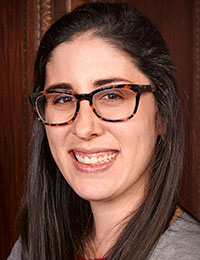
American Medical News reporter Kevin O’Reilly writes about a presentation by David Mayer, M.D., University of Illinois at Chicago Institute for Patient Safety Excellence co-director, at an AHCJ Chicago chapter event. The event shed light on some ways to tackle malpractice and errors in a way that will benefit both physicians and their patients.

David Mayer, M.D.

David Mayer, M.D.

Mayer talked about turning doctors away from the “deny and defend” approach to malpractice and toward an open disclosure of medical errors. He seeks to reduce malpractice suits through a “seven pillars” approach. Here’s a quick summary of how things work:

  1. Patient safety incident reporting: Push for fast reporting of possible incidents
  2. Investigation: Figure out if something really went wrong.
  3. Communication and disclosure: Keep patient and family informed during the entire process. Even if it involves very bad news.
  4. Apology and remediation: Don’t just apologize, tell them how you’re going to fix the damage and/or offer compensation.
  5. System improvement: Change the system to prevent it from happening again, invite the patient and family to participate.
  6. Data tracking and performance evaluation: Keep a massive database of all safety incidents and use it with impunity, even for public outreach.
  7. Education and training: Carefully monitored continuing education that is informed and directed by error monitoring and in-house incidents.

Meyer’s pillars are going to be implemented in nine Chicago-area hospitals, thanks to a $3 million grant from the HHS Agency for Healthcare Research and Quality. The grant is one of seven “demonstration grants” the AHRQ awarded as part of its program to evaluate “Patient Safety and Medical Liability” projects. The agency also awarded 13 smaller planning grants.

N.J. psychiatric hospital botches drugs, doses

Apr. 10th, 2009 by Andrew Van Dam · Leave a Comment
Filed under: Hot Health Headline 

Jean Mikle of the Asbury Park Press chronicled medication errors at Ancora Psychiatric Hospital, New Jersey’s largest such institution. Mikle pored over public records and found that while hospital officials say they are safer than average, “overdoses, adverse reactions to medicines, and wrong doses of powerful drugs have harmed dozens of patients at Ancora since 2006.”

Since December, two Ancora patients have been hospitalized because of “reactions to medications” they received inside the psychiatric hospital, according to Ellen Lovejoy, the spokeswoman for the state Department of Human Services.

Brick resident Derrick Raymond, 28, who has been a patient at Ancora several times since 2002, said he could easily have been given the wrong medication because, he said, patient files were frequently in disarray.

“I’ve had my files mixed with other people’s,” Raymond said. “I could have been given the wrong medication. You start to feel like a guinea pig for medications in there.”

Mikle found cases where patients were given the wrong medication, the wrong amount of medication, no medication when some was needed, expired medication and medication intended for other patients.

Study prompts hospital CEO to blog about change

Jan. 16th, 2009 by Pia Christensen · 1 Comment
Filed under: Studies 

A study led by Harvard researchers and published in the New England Journal of Medicine found that hospitals that used a safety checklist before, during and after surgery experienced fewer deaths and complications.

Atul Gawande, M.D., senior author of the paper and a surgeon at Brigham and Women’s Hospital, told The Boston Globe that the results were “beyond anything we expected.”

According to the Globe:

“The checklist is based on World Health Organization guidelines and takes only a couple of minutes to complete. It requires operating room staff to complete a series of verbal steps before giving the patient anesthesia, before the incision, and before the patient leaves the operating room.”

Paul Levy, president and CEO of Beth Israel Deaconess Medical Center in Boston, blogged about the study and says he is frustrated about the failures in the medical system to make changes “in a profession that is so steeped in the practice of giving individual physicians the prerogative to do their work the way they want to.”

Gawande is scheduled to speak Feb. 11 in a lecture that will be broadcast online as part of the NIH Director’s 2008-2009 Wednesday Afternoon Lecture Series. The topic of his lecture is “Ignorance vs. Ineptitude: Science and the Causes of Failure in Medicine.”

Software glitch exposes VA patients to errors

Jan. 15th, 2009 by Pia Christensen · Leave a Comment
Filed under: Government, Hot Health Headline 

As a result of software glitches, “Patients at VA health centers were given incorrect doses of drugs, had needed treatments delayed and may have been exposed to other medical errors,” the Associated Press reports.

The errors, involving faulty displays of electronic health records, were exposed after the AP received internal documents requested under the Freedom of Information act.

“The glitches, which began in August and lingered until last month, were not disclosed to patients by the VA even though they sometimes involved prolonged infusions for drugs such as blood-thinning heparin, which can be life-threatening in excessive doses.”

As the AP points out, such glitches are worrisome as the federal government is expected to strongly promote the use of electronic medical records.

While there is no evidence that any patients were harmed, there were nine reported cases in which patients received incorrect doses and nearly one-third of the VA’s medical centers reported seeing some kind of glitch.

Quaid reaches settlement with hospital over errors

Dec. 16th, 2008 by Pia Christensen · Leave a Comment
Filed under: Pharmaceuticals 

If you attended Health Journalism 2008 in March, you likely heard actor Dennis Quaid give an emotional talk about the medication error that nearly killed his newborn twins.

Dennis Quaid speaks to attendees at Health Journalism 2008 in Arlington, Va., in March. Photo: Carrie Devorah

Dennis Quaid speaks to attendees at AHCJ's annual conference, Health Journalism 2008 in Arlington, Va., in March. Photo: Carrie Devorah

During the talk, Quaid said he was considering a suit against Cedars-Sinai Medical Center, where the twins had received a dose of the blood thinner heparin that was 1,000 times what they should have gotten.

The Los Angeles Times reports today that Quaid and his wife, Kimberly, have reached a $750,000 settlement with the hospital. The Times says that “Cedars-Sinai Medical Center was not sued, though the hospital was described in a court filing as a ‘potential defendant.’”

The couple still has a suit pending against Baxter Healthcare Corp., which made the heparin. The Quaids started the Quaid Foundation in hopes of raising the standard of patient care and reducing errors in hospitals.

Reminder: Health Journalism 2009 will be in Seattle, April 16-19.