Technology in play to help make football safer
A new multimedia effort from ESPN combines stories, video and graphics to show how technological innovators are working to make football a safer sport.
Photo by Eagle102.net via Flickr
Patrick Dorsey looks at one of the biggest health issues facing football players today, especially those in high school, writing about the continuing evolution of concussion diagnosis, prevention and treatment. Dorsey takes a look at advances in equipment, like a new $350 helmet that uses airbag-style padding to soften the blows taken by players’ heads, and in medicine. On the medical front, many schools now give students a pre-season test to establish their baseline mental function, then test them again after a suspected concussion and only allow them to play again once their brain is working normally once more.
Matt Winklejohn tackles another threat to football players’ health: the heat. Promising advances have produced sensors that measure the temperature inside each player’s helmet and wire the results to a handheld computer on the sidelines, shoulder pads that can be air-conditioned during breaks in practice and even a thermometer built into a pill athletes can swallow in order to monitor their internal core temperature, Winklejohn writes.
Relevant ESPN videos
Football Tech: Helmets
Football Tech: Shoulder Pads
Football Tech: Performance Gear
Relevant ESPN graphics
ZOOM Gallery: The evolution of football gear
Crosshairs: The world of football technology
Related
Find a primer on reporting on the health of student athletes and links to a number of articles, tip sheets, journal articles and other resources in AHCJ’s new “Reporting on sports injuries in school-age children” tip sheet and “Concussions in young athletes.”
- Computer software used to evaluate sports concussions
- Former NFL players still taking hits
- NFL’s concussions expert sells equipment to league
- Football players hide concussions; increasing risk of injury, death
- Athletes to donate brains to concussion research
- High school players at risk of ’second-impact syndrome’
Brain damage caused by football is cumulative
The Philadelphia Daily News has released “Deadly Aftershocks,” an in-depth look at the effect of the day-to-day bumps and knocks of a football career on players’ brains. Reporter Mark Kram talked to brain researchers who found damage associated with chronic traumatic encephalopathy was almost common among football players; even athletes as young as 18 showed some indications of it.
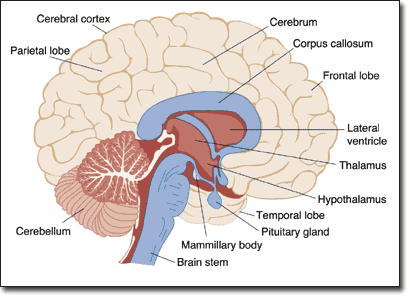
Cross-section of the human brain, courtesy of the NIH.
According to Kram’s sources, the only way to overcome the sport’s macho culture of shaking off injuries and jogging back into the fray would be to set up strict guidelines designed to protect the players from themselves.
The brain damage caused by football is cumulative and slow to develop, which makes it particularly tricky to prevent during the heat of athletic competition. Kram looks at the human and physical destruction wrought by this incremental descent into CTE through a series of anecdotes and profiles, drawing the story together with medical and physiological research.
Stories in the package:
- Deadly aftershocks
- A rich and varied portfolio in brain bank
- Athletes donating their brains to study
- How the NFL manages concussions
- NFL studying long-term effects of concussions
- PDF: A look inside the brain
Related
AHCJ has some resources about brain injuries: