Texas system fails the chronically homeless
In the first of a series of articles, Kim Horner of The Dallas Morning News looks at the struggle of helping the chronically homeless. The series will look at the costs of inadequate treatment for mental illness and addiction, as well as possible solutions. The project received support from The Carter Center.
Though chronic homelessness is a nationwide problem, Texas falls behind most states in providing care at psychiatric hospitals and mental health clinics. That lack of commitment results in overflowing facilities and poor follow-up care that can set up the most vulnerable patients for failure.
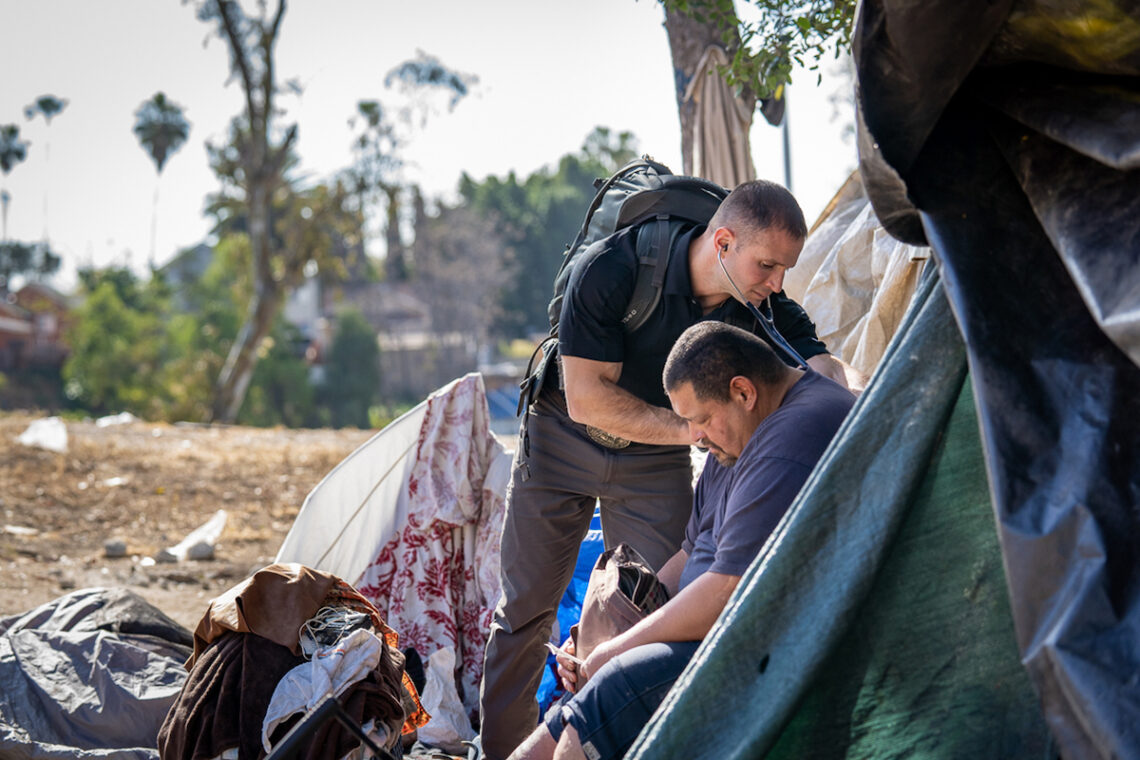
Horner reports that the system of psychiatric hospitals, drug and alcohol treatment centers, mental health clinics and housing programs isn’t working for most of the chronically homeless. “That failure not only perpetuates homelessness but ends up costing taxpayers millions for law enforcement, emergency care and other expenses that could be avoided.”
Chronically homeless people often do not follow through with their care and cannot properly care for themselves, leading them to return to treatment repeatedly. A hospital superintendent says failure to take medications is the top reason people are readmitted to his hospital.
The article does look at proposed solutions to the problem of homelessness. One answer - supported by experts nationwide - is to establish special apartments coupled with intensive mental health services to keep people stable.
Related
Urban Workshop keynoter Steve Lopez puts focus on mental health [Listen to Lopez' speech]
Jill Maddox, psychiatrist at the Center for Urban Community Services and the Project for Psychiatric Outreach to the Homeless, speaks about mental health issues in urban areas at the 2007 Urban Health Journalism Workshop.
Health a factor in report card on homeless kids
The National Center on Family Homelessness has released a report card on child homelessness, with an estimate that more than 1.5 million children in the United States are homeless.
“Children without homes are twice as likely to experience hunger as other children. Two-thirds worry they won’t have enough to eat. More than one-third of homeless children report being forced to skip meals. Homelessness makes children sick. Children who experience homelessness
are more than twice as likely as middle class children to have moderate to severe acute and chronic health problems.”
Health is one measure taken into account for the report’s child well-being score and the report has sections that deal with the health of children as well as policy initiatives, such as Medicaid and SCHIP.
The report has a state-by-state breakdown that shows the percentage of uninsured children, Medicaid expenditures and eligibility and other measures. It also includes rankings and an evaluation of each state’s policy and planning for homelessness.