

Tag

U.S. women are more likely to be killed during or soon after pregnancy than the three leading causes of maternal…

Nearly a third of pregnant patients with syphilis received little or no treatment for it, raising the risk of transmission…

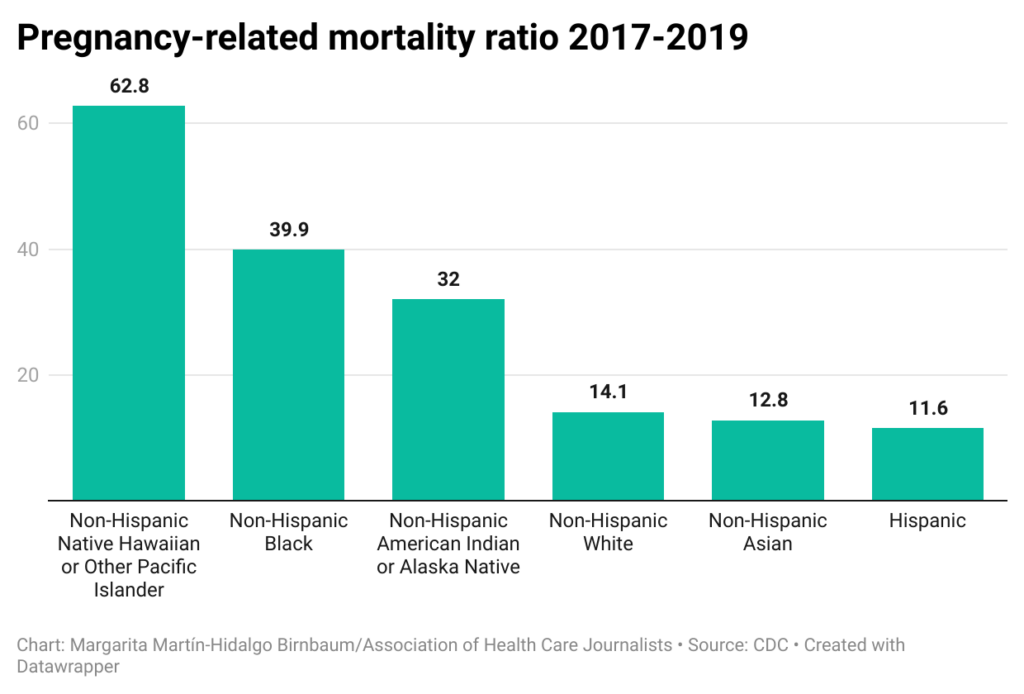
A recent analysis of state maternal mortality data offers journalists topic ideas they can expand on in articles about a…


As the editors of the prestigious medical journal anticipated, the newly published Canadian study is causing a stir. The paper,…


In a report late last year, the Commonwealth Fund included two statistics about women’s health that were particularly startling. In…

There is a shortage of state and national data on the subject, but studies suggest that women face unique barriers…
The Centers for Disease Control and Prevention released a bombshell alcohol recommendation to women on Feb. 2 that led to…
We’ve gathered some of the best, most science-based resources to help reporters who are covering Zika or may find themselves…
Olga Khazan, a health writer for The Atlantic, often tackles health subjects bisecting traditional health and the impact on people’s…
There have been a lot of gripping tales of late highlighting the impact of the nation’s soaring heroin epidemic, especially…