

Tag
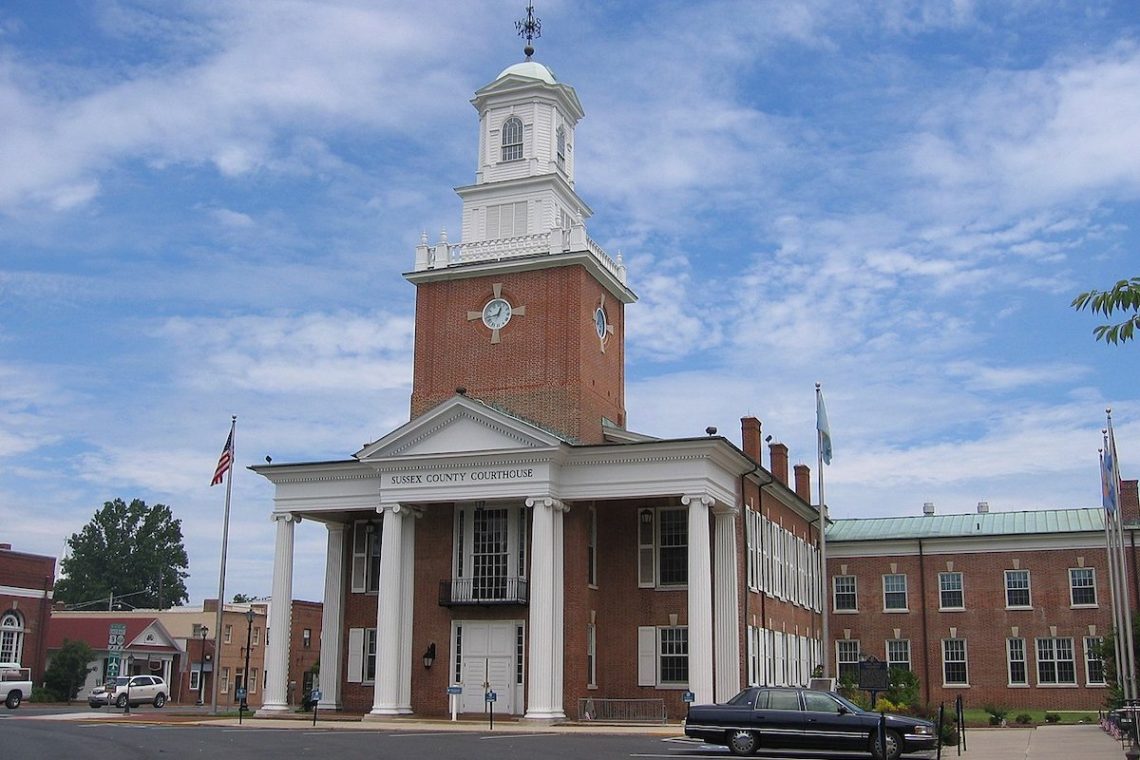
All 50 states have applied for federal grants to boost rural health care. Journalists can find good stories by reviewing…


AHCJ’s 2025 Rural Health Journalism Workshop in Atlanta on Aug. 21 brought together journalists, researchers, policy experts and more.


•
Save the date for AHCJ’2 2025 Rural Health Journalism Workshop! Check back later for more information.

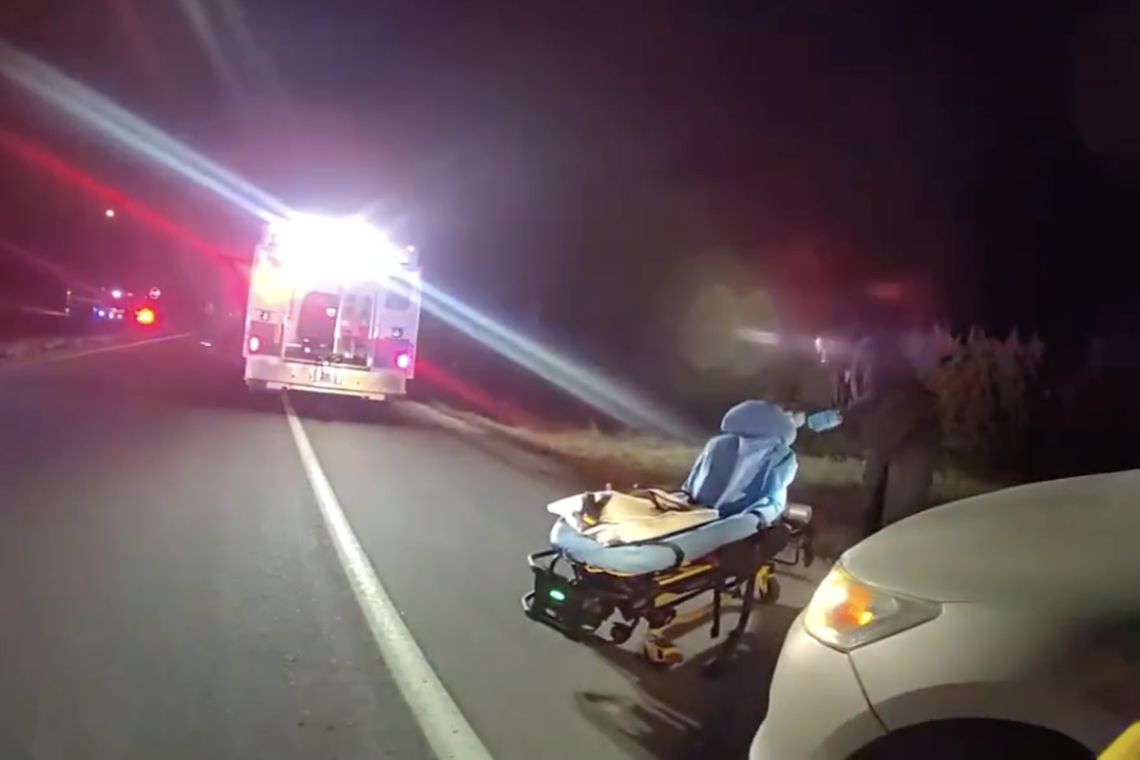
When rural hospitals go into the red, they often have little choice but to stop delivering babies. The result can…

Recordings of each session from the day-long 2024 Rural Health Journalism Workshop are now available online.
•
Save the date for AHCJ’s annual Rural Health Journalism Workshop. This year’s workshop will be virtual-only.

You might not think of neurology as a specialty that lends itself well to telehealth appointments, but the Veterans Health…

Soon after Arielle Zionts, a rural health reporter for Kaiser Health News, read a press release about telehealth services for…

Americans living in rural areas are less likely to use telehealth services than urban residents. The reasons are not unique…

When the Biden Administration rolled out two COVID-19 rapid tests programs in mid-January, Kaiser Health News reporters Victoria Knight and…