Mumps outbreak hits more than 1,500 in N.Y., N.J.
More than 1,500 cases of mumps in New York and New Jersey have prompted the CDC to update the public on the outbreak in its Morbidity and Mortality Weekly Report.
According to the CDC, the outbreak appears to have originated with an 11-year-old boy who returned from a trip to the United Kingdom and then attended a summer camp for observant Jewish boys. The illness was transmitted to other attendees and staff members and has since spread as those people returned home. The CDC says 97 percent of the people with mumps “are members of the tradition-observant Jewish community.”
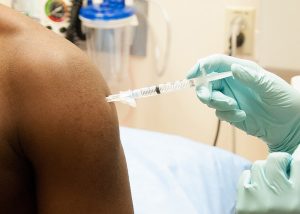
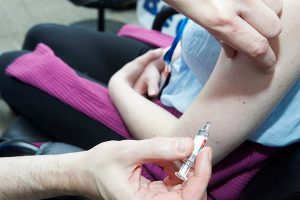
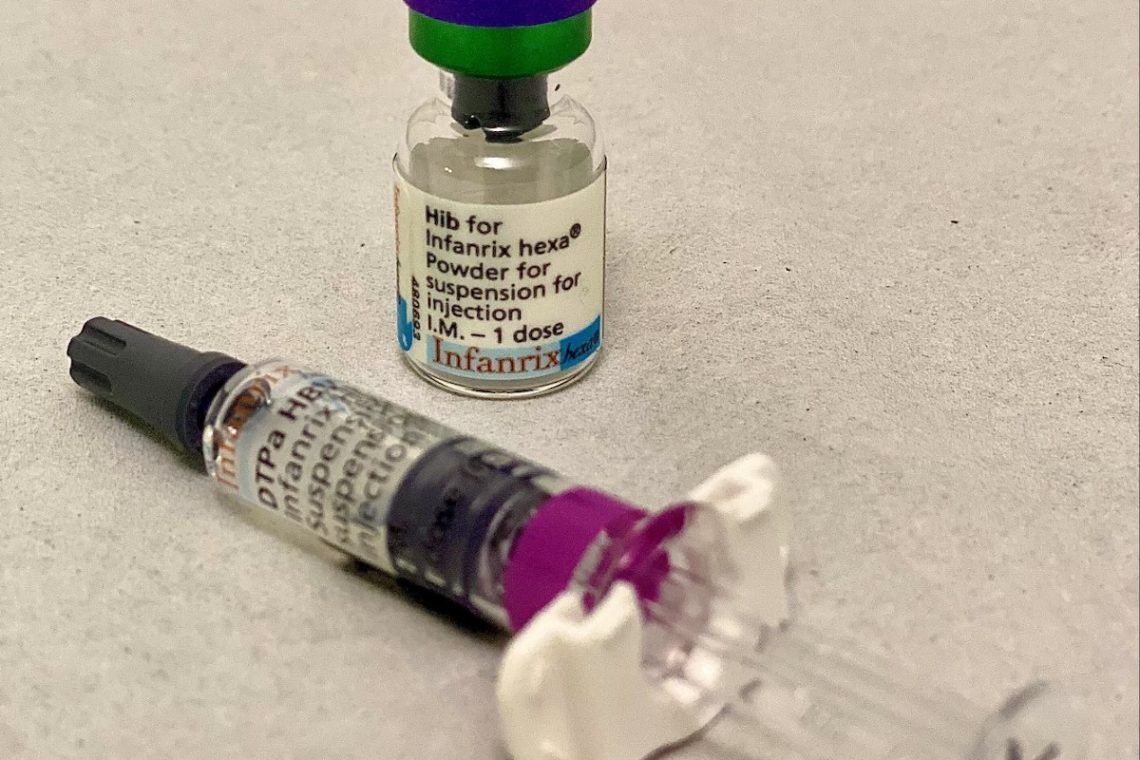
The CDC’s report includes information about how many of the people found to have mumps have been vaccinated - 88 percent had received one dose and 75 percent had received two doses.
The CDC says that, since 1967, when the mumps vaccine was licensed, to the early 2000s, the number of reported cases has gone from 186,000 to less than 500 annually but points out that “the effectiveness of the mumps component of the MMR vaccine is lower than that of the measles and rubella components.”
“The CDC hypothesized that the relatively closed social world of the communities and the large family sizes within them have played a role in preventing the disease from spreading further,” according to a brief from the Center for Infectious Disease Research and Policy.
Vaccination gaps raise whooping cough risks
The evidence keeps piling up to show that kids who don’t get vaccinated carry real risks of catching diseases once thought to have been vanquished.
Photomicrograph of Bordetella (Haemophilus) pertussis bacteria from the CDC’s Public Health Image Library.
Researchers found that kids whose parents refused to have them vaccinated against whooping cough were 23 times more likely to contract the illness, which is marked by uncontrollable coughing spells, than those who got the shots.
In a study of kids in a Kaiser Permanente health plan, 12 percent of the unvaccinated kids developed whooping caught compared with 0.5 percent who got the shot. The results appear in the latest issue of Pediatrics.
Before vaccination against whooping cough became common, the disease was a major cause of childhood death. The vaccine is potent but not 100 percent effective. So it’s important to vaccinate all children to create “herd immunity” for the community, Sean O’Leary, an infectious-disease specialist at Children’s Hospital in Denver, told USA Today.
A measles outbreak in San Diego last year provided another reminder of the risk of skipped immunizations. An unvaccinated 7-year-old boy who came down with measles after a trip to Switzerland spread the infection to other unvaccinated children. The CDC reported 11 other cases linked to the boy. About 70 unvaccinated kids had to be quarantined.